
The WRIG and YRCT have highlighted the suitability of the Nature Based Solutions approach to reduce the impacts of climate change in previous articles. However, we have not, thus far, focused on the crucial importance of biodiversity which lies at the heart of the approach.
The role of species and habitat diversity in reducing the impacts of climate change cannot be overstated. Sustainability depends on taking actions which deliver mitigation and adaptation benefits, which in turn develops resilience to negative impacts from climate change. This holistic approach, delivered at scale helps to promote a sustainable future for organisations and communities. Biodiversity cements the components of these interventions together.
Habitat diversity provides the basis for species diversity. Establishing a mixture of different aquatic and terrestrial habitats on your landholding will attract the greatest number of different plant and animal species and these diverse ecosystems will provide multiple benefits and promote ongoing sustainability.
The examples below are just a sample of some of the benefits arising from biodiversity:
- Species rich fields and water meadow flora. The varied species promote improved soil conditions through a range of root depths which enhances water storage, aeration and nutrient transfer in the soil horizon. If coupled with sensitive land management, the increased diversity of soil bacteria, fungi (mycorrhiza and hyphae) and fauna in the soil will reduce a range of impacts, including drought, disease and excessive nutrient uptake by crops and pasture
- Wildflower and 3D buffer strips, wetlands, ponds and ditches. Attract a greater range of insects which can help pollinate crops/grasses/fruit trees, etc. Predatory invertebrates will also be attracted, e.g., dragon flies, beetles, flies, spiders and wasps and will prey on many “pest” insect species
- Habitat diversity will attract a range of bird and mammal species that will prey on undesirable insects as well as help control non-native invasive species, e.g. otter predate American Signal Crayfish.
- Aquatic habitats help buffer against the impacts of flooding and drought. Viewing ditches as water management assets, i.e. serving a dual purpose to retain some water to combat dry periods but allowing excess water to be drained when needed, rather than simply water conveyance channels. Wet ditches are excellent habitats and help maintain groundwater levels.
- Beetle banks provide excellent habitat for many invertebrates but can also act as water runoff management features
- Ponds and retention swales (hollows) can act as water reservoirs in prolonged dry spells for the benefit of livestock
- Planting a broad range of different tree species caters for a range of climate conditions and provides opportunities for generating fodder, specialist crops and timber as well as providing numerous benefits, e.g. shade for livestock, improved water retention, reduced soil erosion, etc.
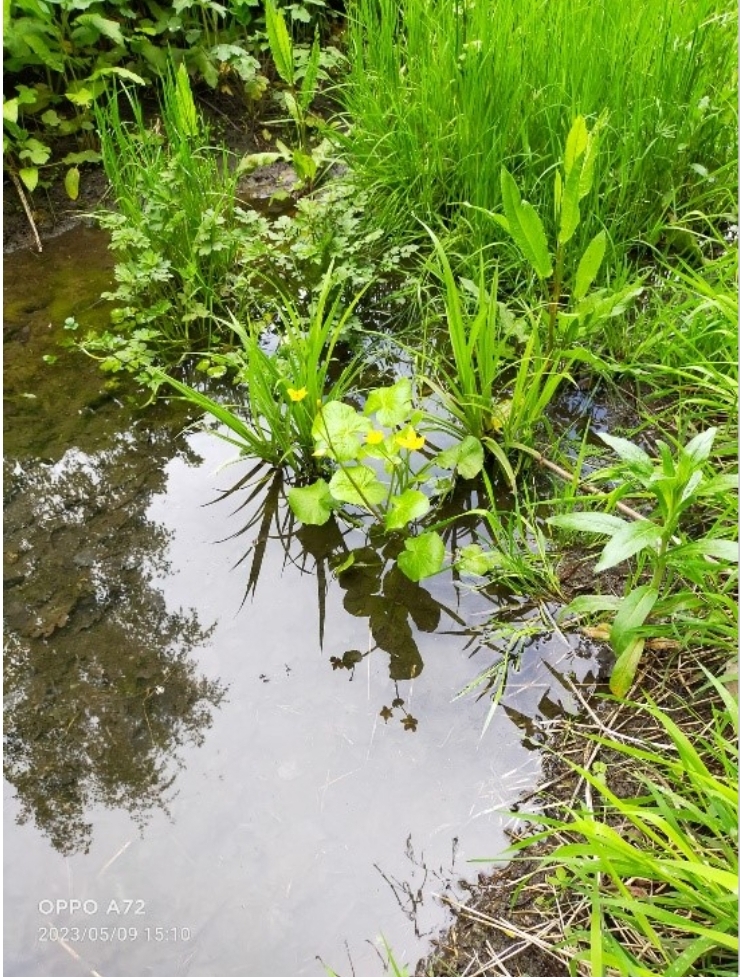
Diverse Pond Flora
Herb rich damp grassland

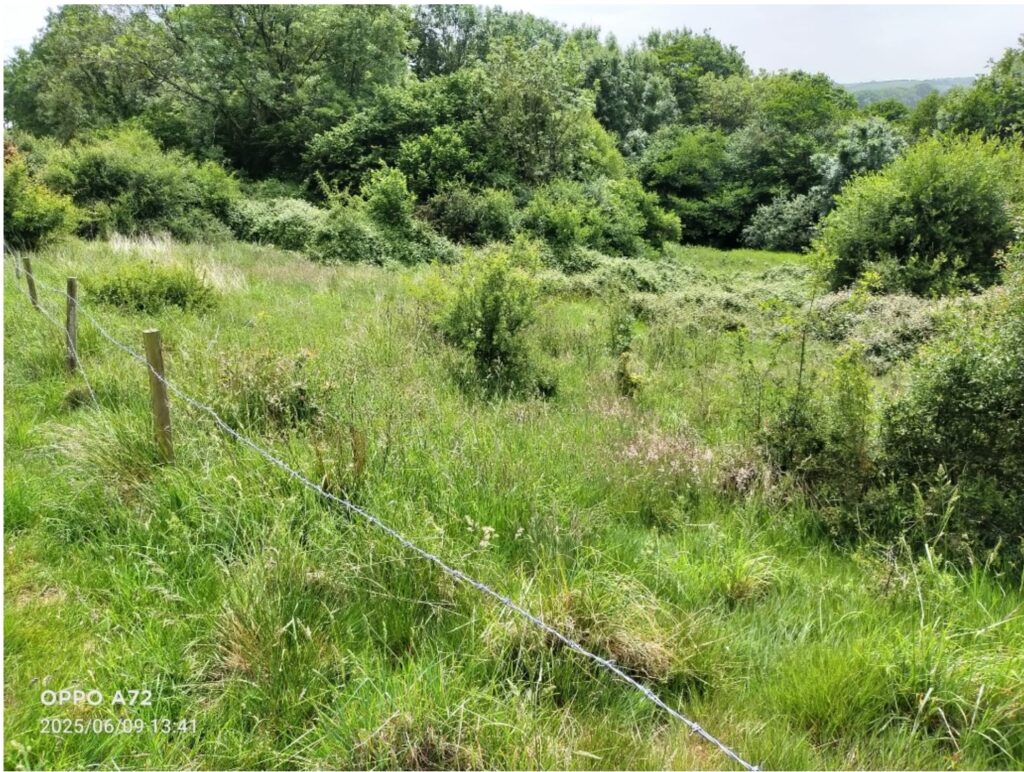
Grassland, scrub and woodland habitats
These are just a few examples of the benefits which an enriched biodiversity can provide. As always, the way the land and different habitats are managed is very important but if done in the right way, significant reduction of adverse impacts can be achieved, generating positive outcomes for sustainability. Biodiversity can be viewed as a barometer for the environmental health of your landholding with low levels of biodiversity being an alarm call that operations are very unlikely to be on a sustainable footing.
We are in unchartered territory in terms of climate change and species loss, and timely interventions are urgently required if sustainability is to be achieved. Species and habitat diversity, within the context of Nature Based Solutions, is an invaluable tool in developing a sustainable future.
If you would like more information or would like to participate in the project, please do get in touch with the WRIG via the Yeovil Rivers Community Trust.
Lorne Thomson, YRCT/WRIG